CREATIVE DIRECTION
A starting point for something distinct.
A considered direction for colour, form and atmosphere, shaped around your brand, venue, timing and event brief.
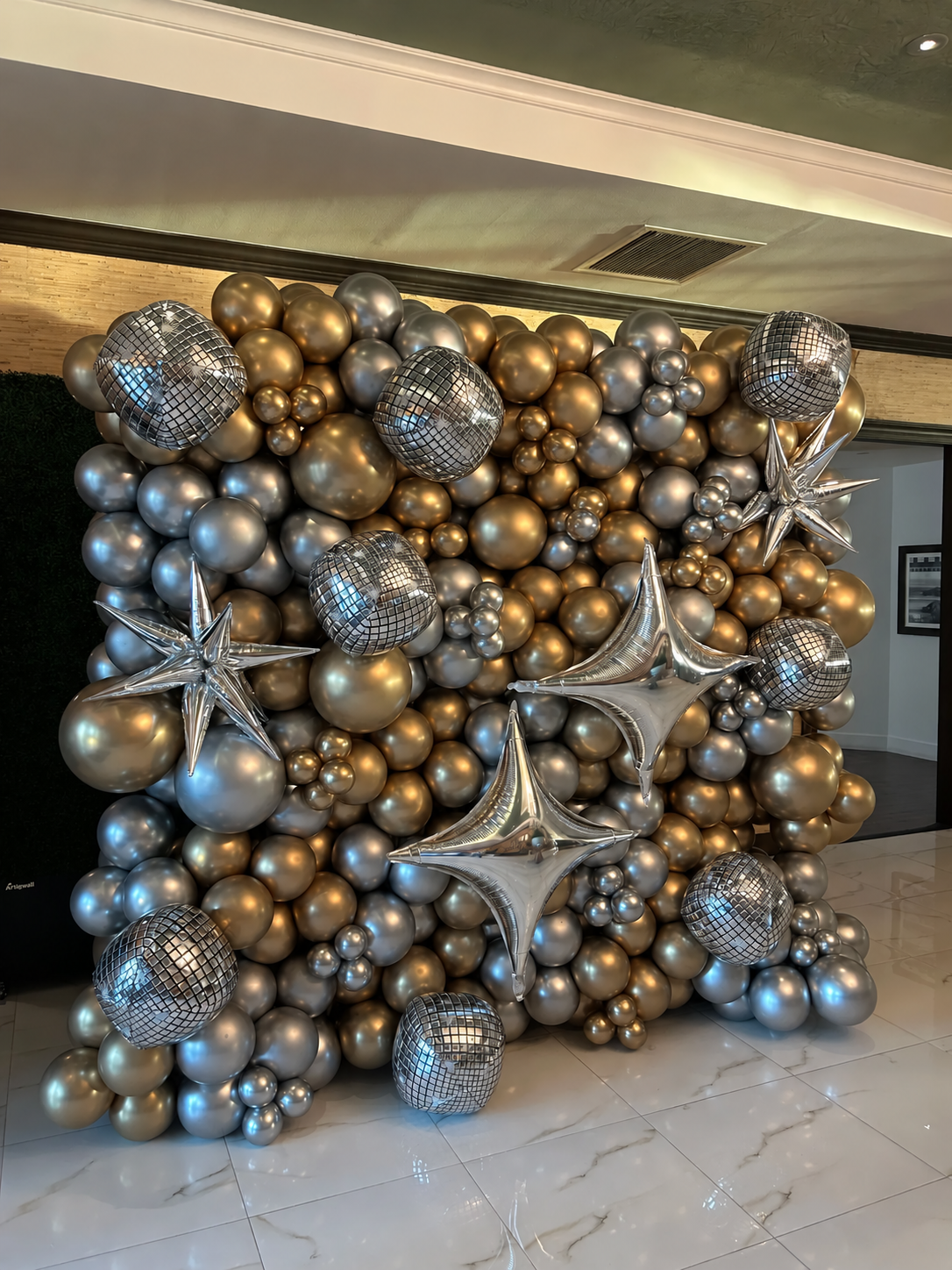
VISUAL DIRECTION
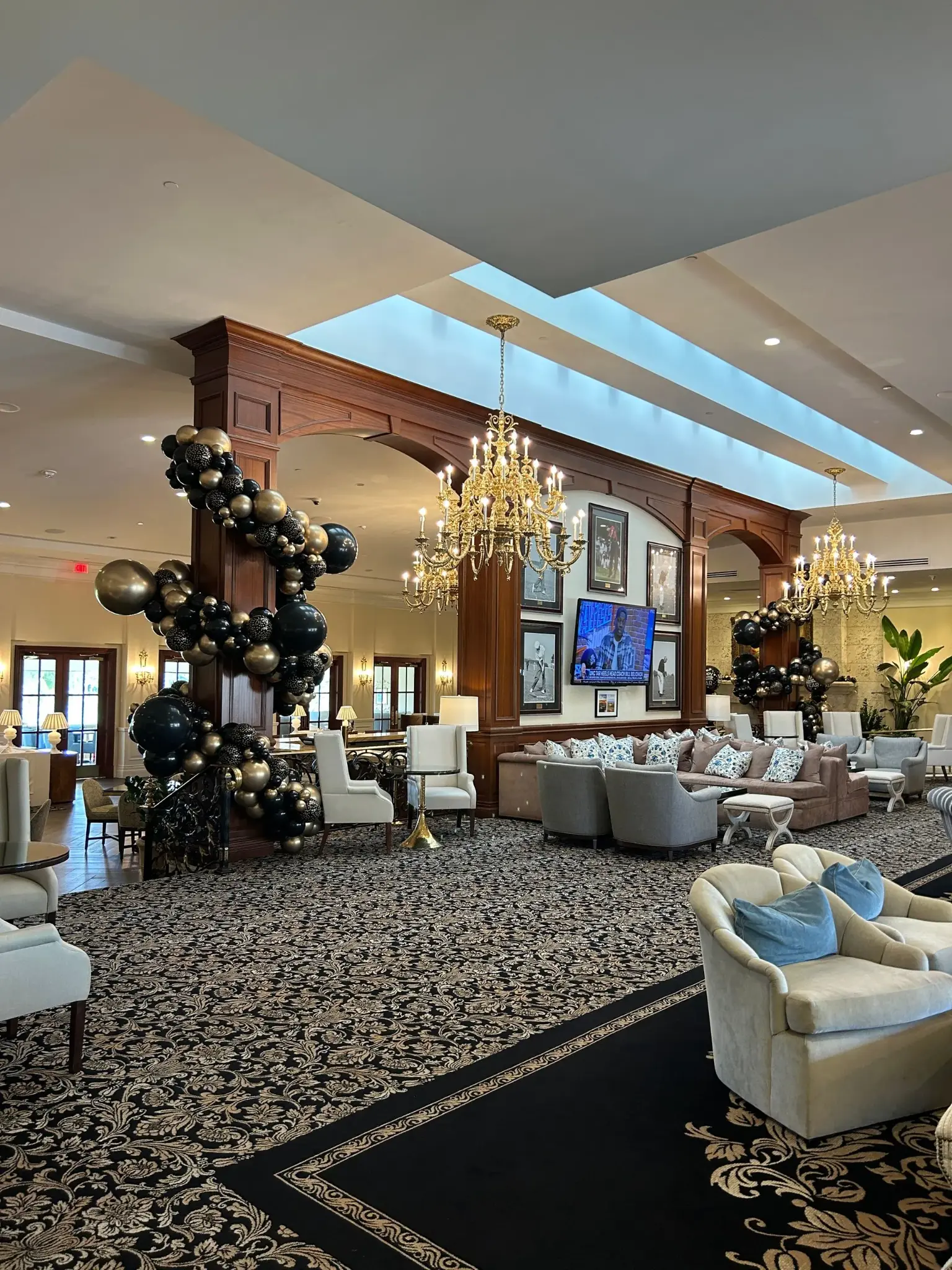
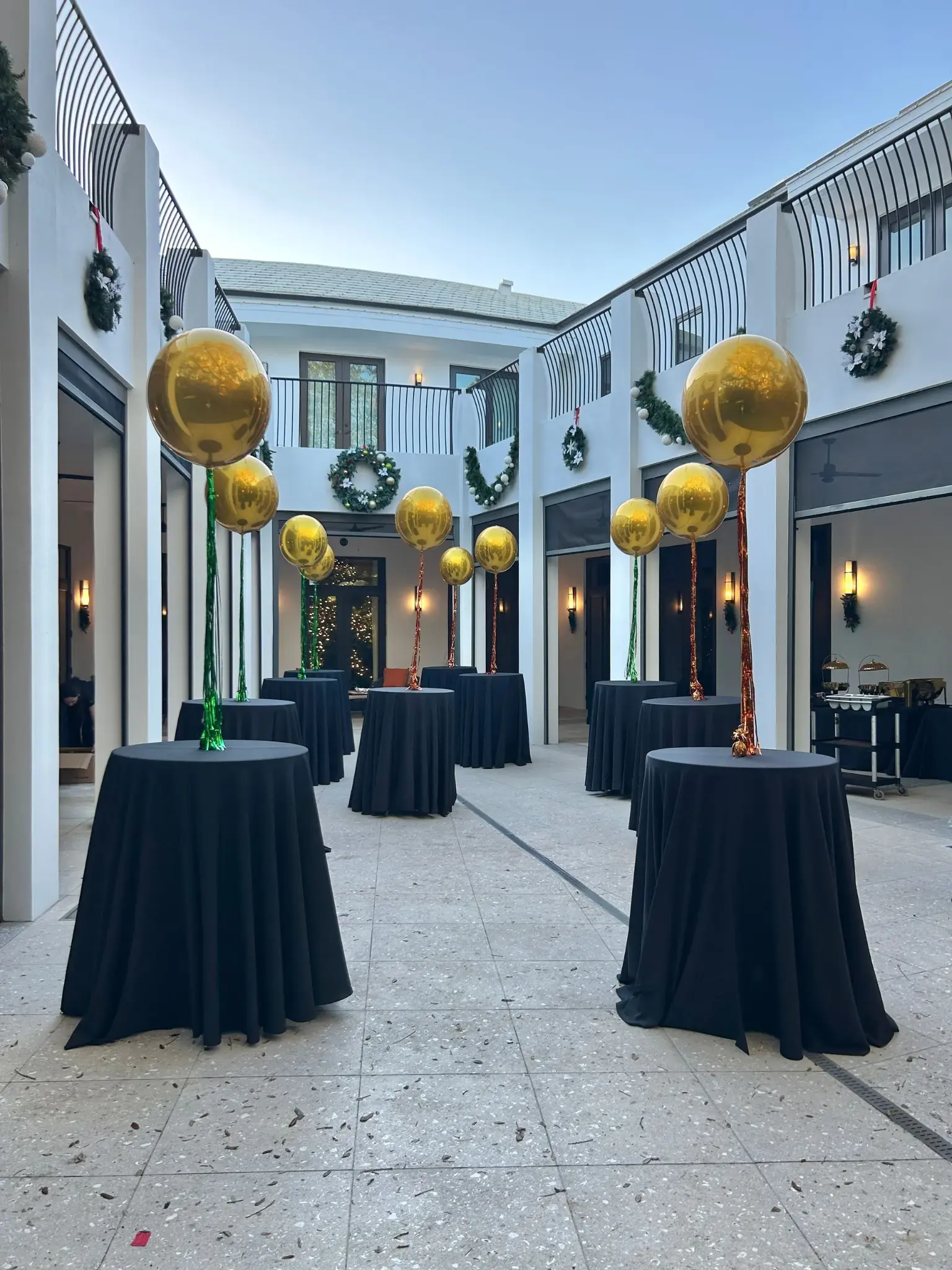
Strong corporate event styling does not begin with a shopping list of props. It begins with a clear sense of the occasion, the people in the room and the impression the event should leave. From a polished awards evening to a seasonal gathering, a product moment or a company milestone, the right visual choices can make a space feel intentional without making it feel overworked.
This page is a source of creative direction and planning inspiration for Irish corporate event buyers. The examples below are illustrative rather than a portfolio of completed client work. They are intended to help you describe the atmosphere you want, compare priorities and develop a styling brief that can be reviewed properly before anything is confirmed.
Start with the feeling, not the decoration
A useful styling brief describes the experience before it describes individual items. Consider whether the event should feel calm and refined, energetic and contemporary, warm and welcoming, or formal with a sense of occasion. Those words give creative decisions a common direction.
The audience matters just as much. A leadership dinner, internal recognition event and customer-facing reception may all need a professional finish, but the balance of colour, texture, scale and branding can be different. If the event includes speeches, networking or a formal meal, styling should support those moments rather than compete with them.
Try writing three adjectives that capture the desired mood, followed by one sentence explaining what guests should notice first. This small exercise is often more useful than collecting dozens of disconnected images.
Build a visual language around the brand
Corporate styling can acknowledge a brand without turning the room into an advertisement. Colour may appear through a carefully controlled palette, while typography, signage and other brand details can be used where they genuinely help guests navigate or understand the occasion. The aim is coherence: each visible element should feel as though it belongs to the same event.
A restrained approach is often the most adaptable. One primary colour, one supporting shade and a neutral foundation can create a confident base. Texture, lighting and spacing then provide depth. Where a brand palette is especially strong, it may be better to use it selectively rather than reproduce it in every detail.
Share brand guidance early, including colour references, logo files and any rules about tone or placement. Branding, hire requirements and production details remain scope-specific and are confirmed in the proposal, so early clarity helps the creative direction remain realistic.
Use the venue as a design constraint
Every room has a visual character before styling begins. Ceiling height, existing furniture, entry points, sightlines, natural light and the position of a stage or presentation area all influence what will work. A design that looks balanced in an inspiration image may feel crowded in a room with narrow circulation or low ceilings.
Begin by mapping the guest journey: where people arrive, where they register or collect a name badge, where they pause to network and where the main programme takes place. Styling can then be placed to welcome guests, frame important areas or add atmosphere to quieter spaces. It should never obstruct access, emergency routes or essential event operations.
Venue access, installation conditions and post-event removal are confirmed as part of the event scope. Allow time to establish what can be brought in, when set-up can take place and how the space must be left afterwards.
Choose a focal point with purpose
A focal point gives the eye somewhere to rest and can help a large or visually plain room feel more composed. Depending on the occasion, that might be an entrance treatment, a considered stage backdrop, a branded welcome area, a feature arrangement or a carefully styled refreshment point. The best focal point is connected to the event’s purpose rather than added simply because the room feels empty.
Scale should follow the room and the viewing distance. Details that look elegant close up may disappear in a larger space, while an oversized installation can overwhelm an intimate gathering. Think about where guests will stand, sit and take photographs, but avoid designing around photographs alone. The wider experience should remain comfortable and professional.
Illustrative imagery can help communicate proportion, colour and mood. It should be treated as a reference for direction, not as a promise that an identical arrangement, venue or outcome will be supplied.
Balance atmosphere with function
Styling has a practical role as well as a visual one. Clear wayfinding can reduce uncertainty on arrival. Well-placed decorative elements can define zones without building physical barriers. Table details can support a sense of occasion while leaving enough room for menus, name cards, glasses or working materials.
For events with presentations, consider sightlines and screen visibility before selecting any backdrop or feature. For networking-led formats, protect open areas where people can comfortably gather. For seated dinners, check that decorative height and placement do not interrupt conversation. The most successful approach is usually one that feels effortless because the operational details were considered early.
When reviewing ideas, ask a simple question: does this element improve the guest experience, strengthen the event message or create useful structure? If it does none of those things, it may be visual noise.
A practical styling decision framework
Use the following sequence when narrowing your ideas:
- Purpose: What is the event trying to achieve, and what should guests feel or understand?
- Audience: Who will attend, and what level of formality will feel appropriate?
- Space: What are the room’s dimensions, sightlines, access conditions and existing features?
- Priority: Is the greatest value needed at arrival, on stage, around tables, in networking areas or across the room?
- Brand: Which colours, messages or visual cues should be present, and where should they remain subtle?
- Practicality: How will the styling affect movement, presentations, hospitality, photography and removal?
- Scope: Which elements require hire, branding preparation, venue coordination or additional planning confirmation?
Before approving a direction, check that the concept can be explained in a few sentences. If it needs a long list of unrelated features to make sense, simplify it. Seasonal character can come through palette, texture and light rather than literal decoration.
Planning checklist for your brief
A useful first brief can include the event date or planning window, approximate guest numbers, event format, venue status, preferred mood, brand guidance, key programme moments and any access restrictions. Add a small set of reference images, labelled with what you like—such as palette, texture, scale or layout—rather than treating them as exact specifications. Also note what should be avoided, such as visual clutter, strong fragrances, obstructed sightlines or excessive branding. A clear “not this” list can save time and protect the intended tone.
For projects in Dublin, Wicklow and selected Leinster locations, travel, venue access, branding or hire requirements and post-event removal are reviewed as part of the specific scope. Corporate styling projects start from €1,000 + VAT; the final proposal depends on the brief and confirmed requirements.
Develop the direction with care
Good inspiration becomes useful when it is translated into decisions about mood, scale, placement and practical delivery. If you have an event in mind, share the occasion, audience, venue information and the atmosphere you want to create. Air & Adorn Events can then discuss which creative priorities may suit the brief and what needs to be confirmed before planning progresses.
Air & Adorn specialises in branded balloon installations and related visual features. Furniture, tableware, linen, catering and full event management are not currently included; we can work alongside your venue team or appointed event suppliers where required.