 02
BUDGET & SCOPE
How Much Does Corporate Event Styling Cost in Dublin?
A practical guide to project minimums, scope and where styling investment creates the strongest guest impact.
Read the noteTHE JOURNAL
Planning ideas and practical guidance for corporate buyers considering a more deliberate event setting.
FIELD NOTES
Corporate event styling is most effective when it makes an occasion feel considered without competing with the reason people are there. A leadership gathering, awards evening, conference, product presentation or seasonal reception may need a different visual approach, but the planning questions are often similar: what should guests notice first, how should the space support the agenda, and which details will still look right when the room is busy?
Discuss your eventEXPLORE THE JOURNAL
Browse the questions corporate buyers ask before the room, the brand and the guest journey come together.
02BUDGET & SCOPE
A practical guide to project minimums, scope and where styling investment creates the strongest guest impact.
Read the note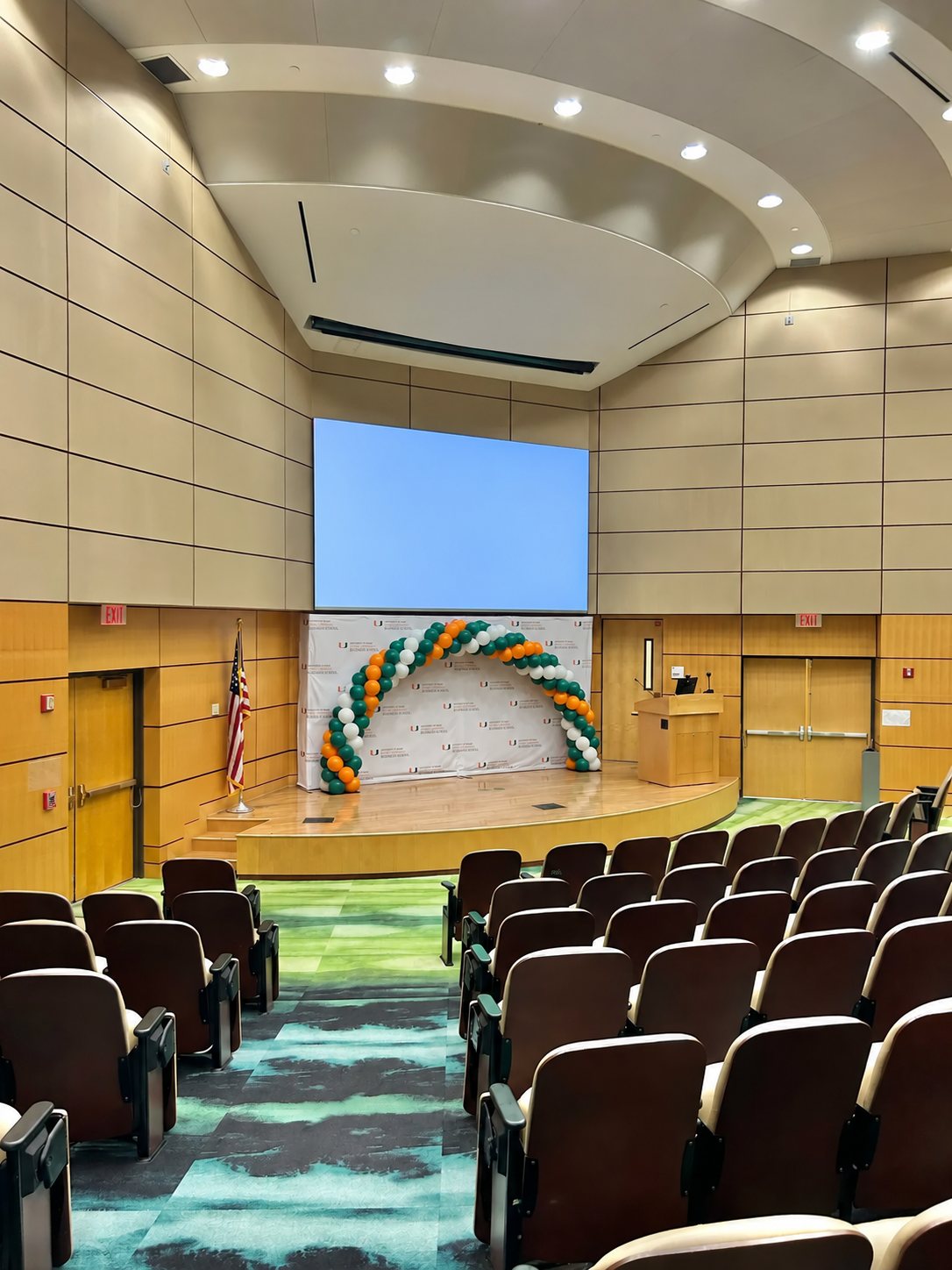 03
FORMATS
Compare two recognisable formats by arrival impact, guest flow, scale and venue suitability.
Read the note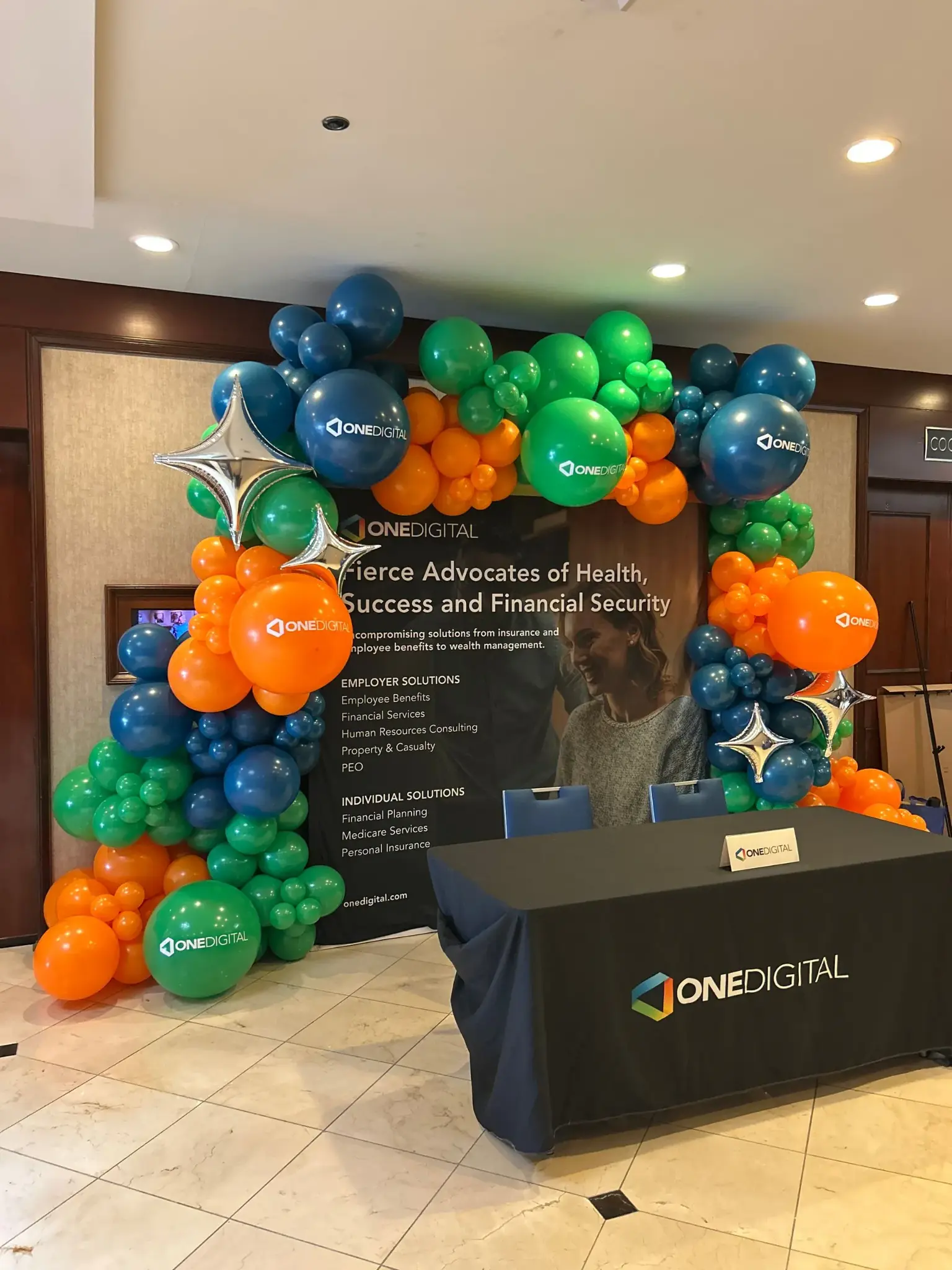 04
BRAND & COLOUR
How to translate a corporate palette into atmosphere without making the room feel over-branded.
Read the note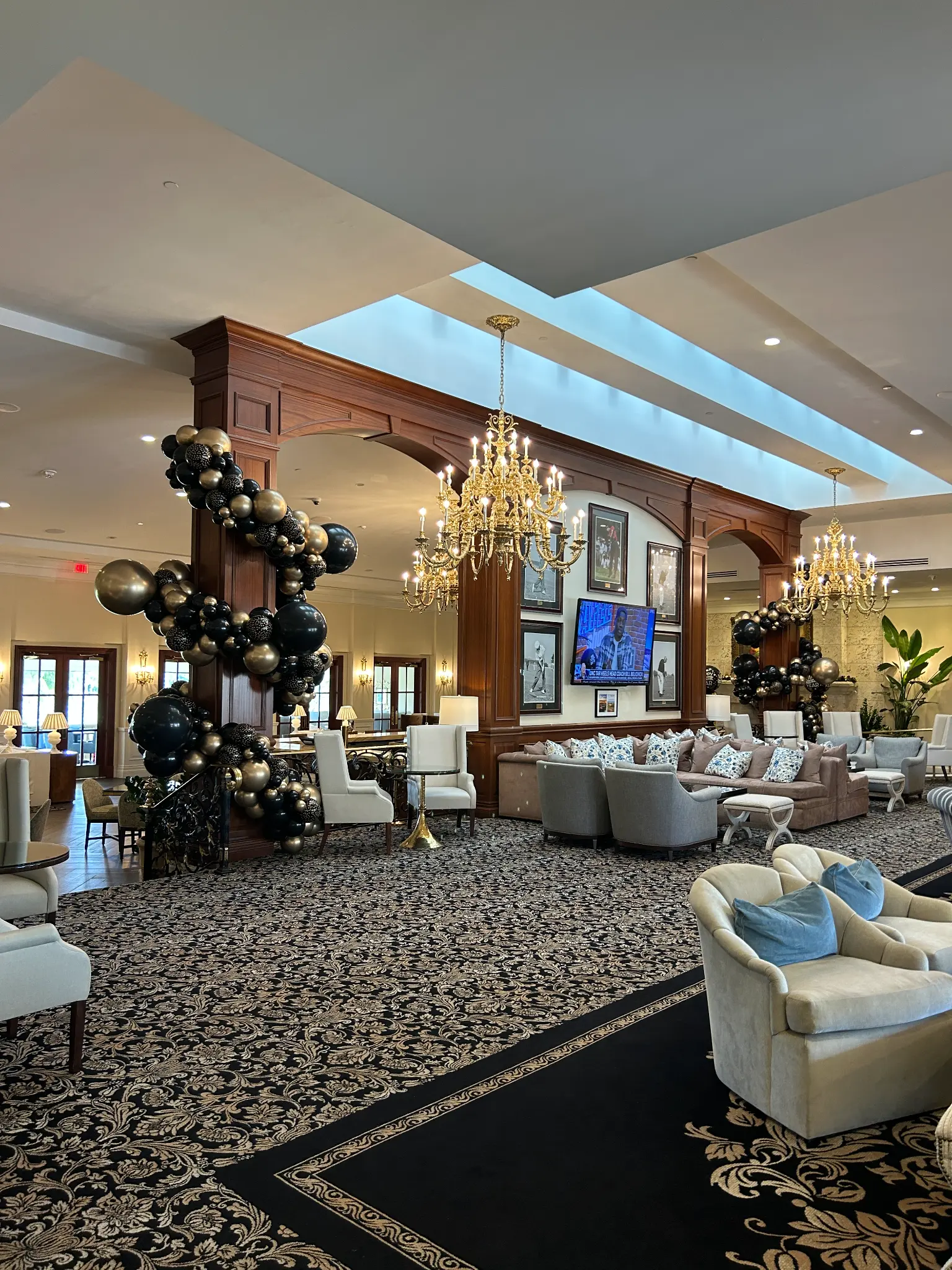 05
SEASONAL EVENTS
A considered approach to seasonal styling for receptions, dinners and end-of-year celebrations.
Read the note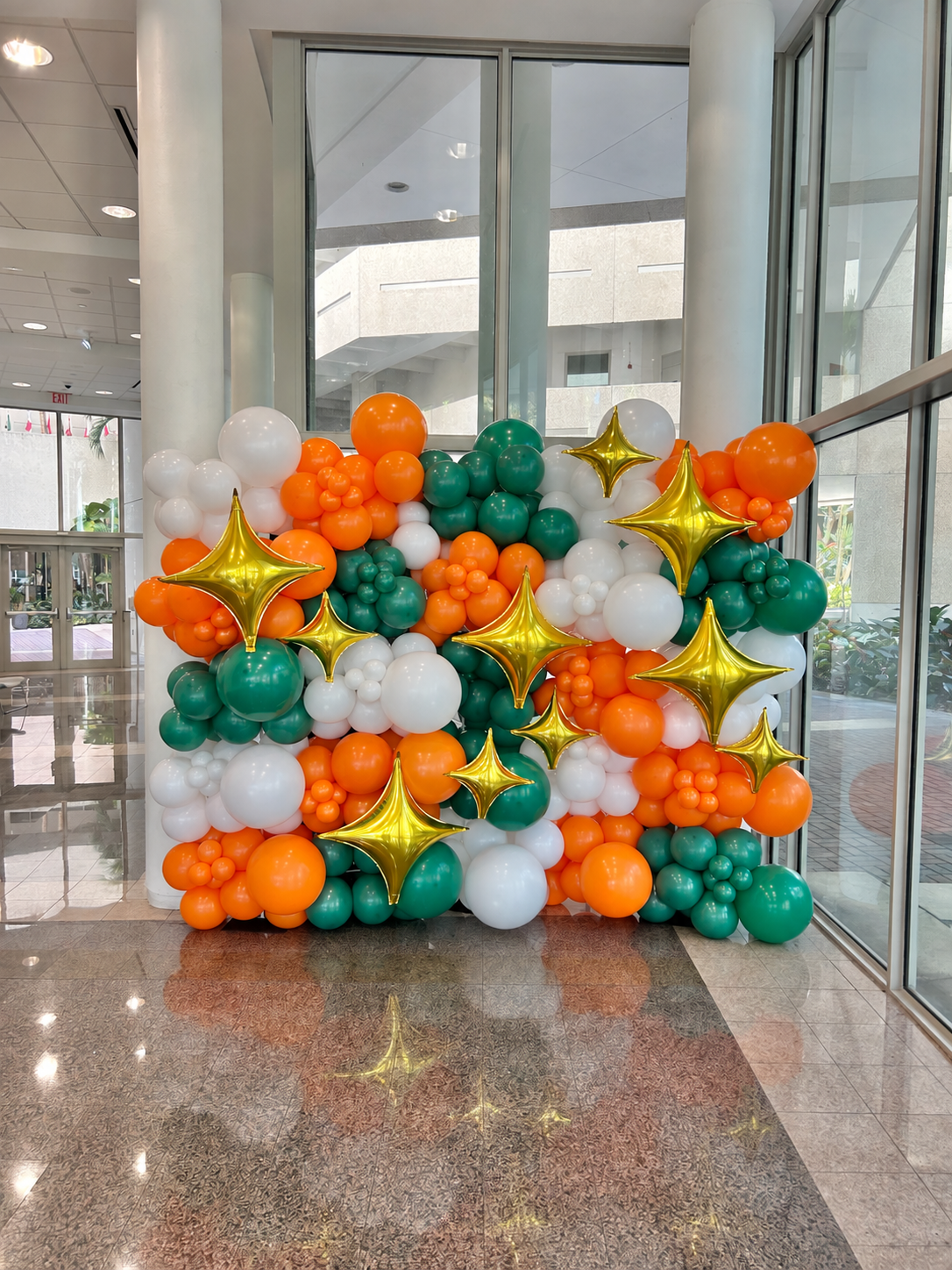 06
VENUE PLANNING
The dimensions, circulation and sightline questions to consider before committing to a backdrop.
Read the note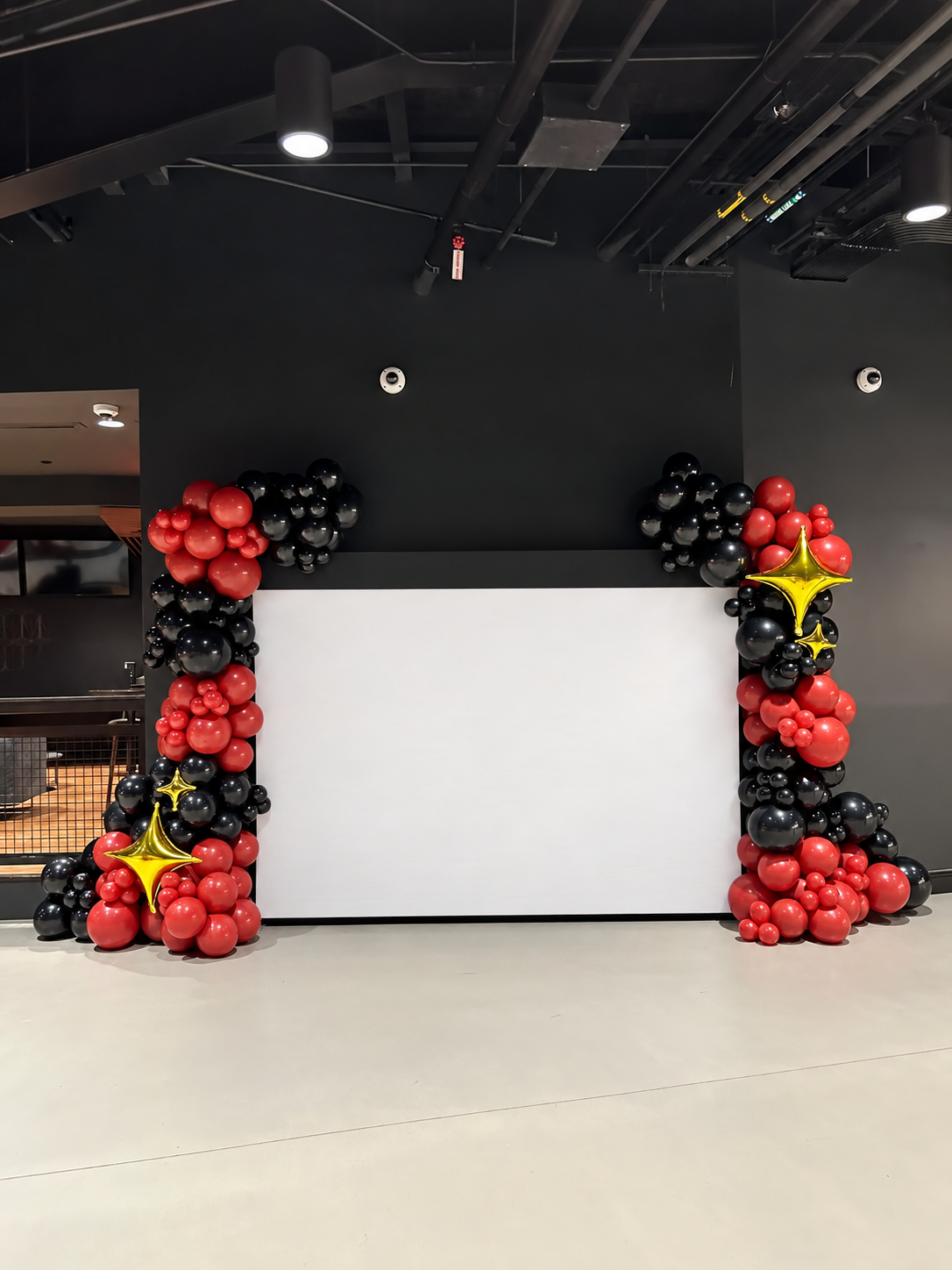 07
LOGISTICS
A clear look at access windows, preparation, installation sequencing and post-event removal.
Read the note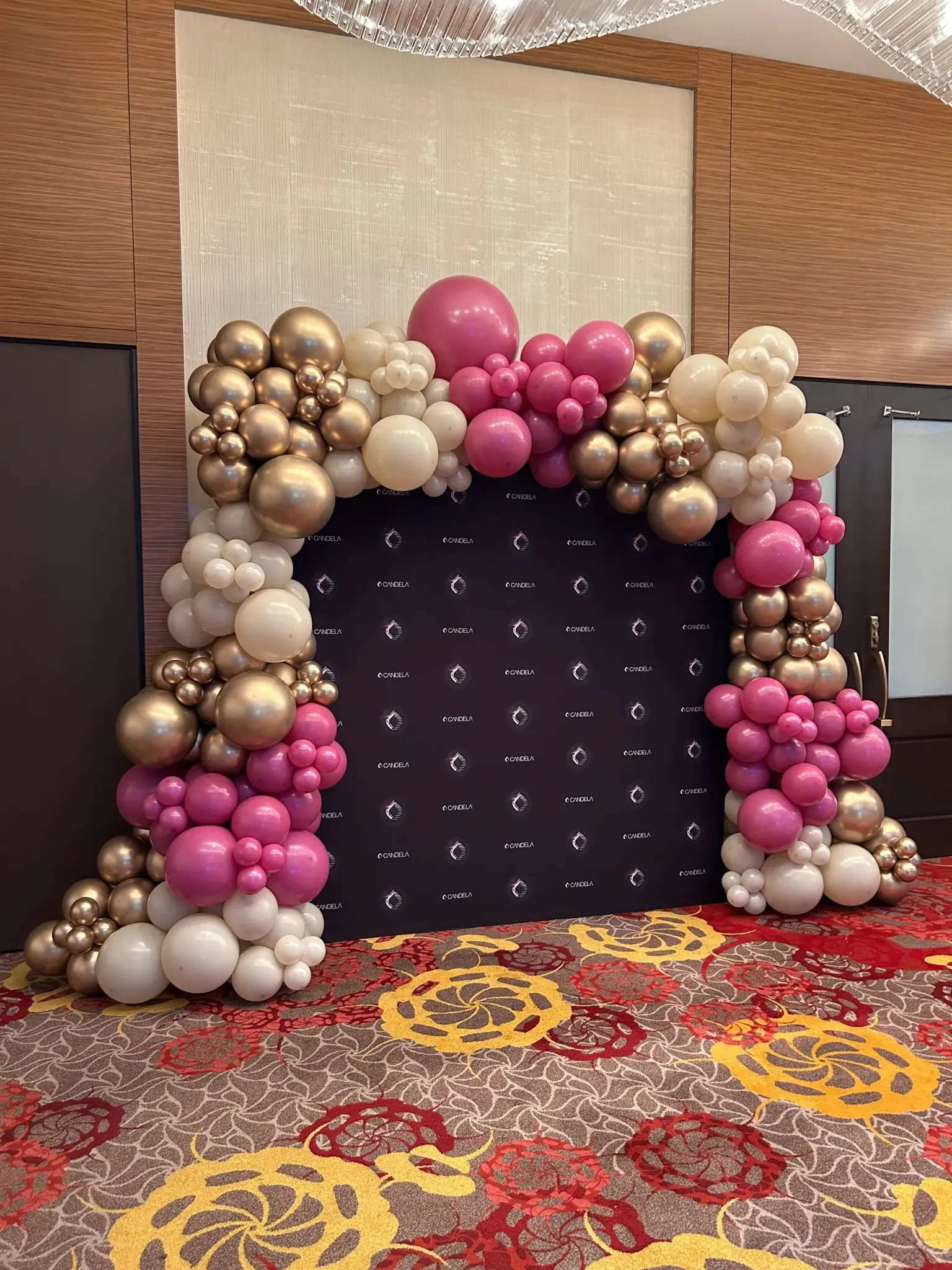 08
LAUNCHES
Build a branded focal point that supports photography, product messaging and guest movement.
Read the note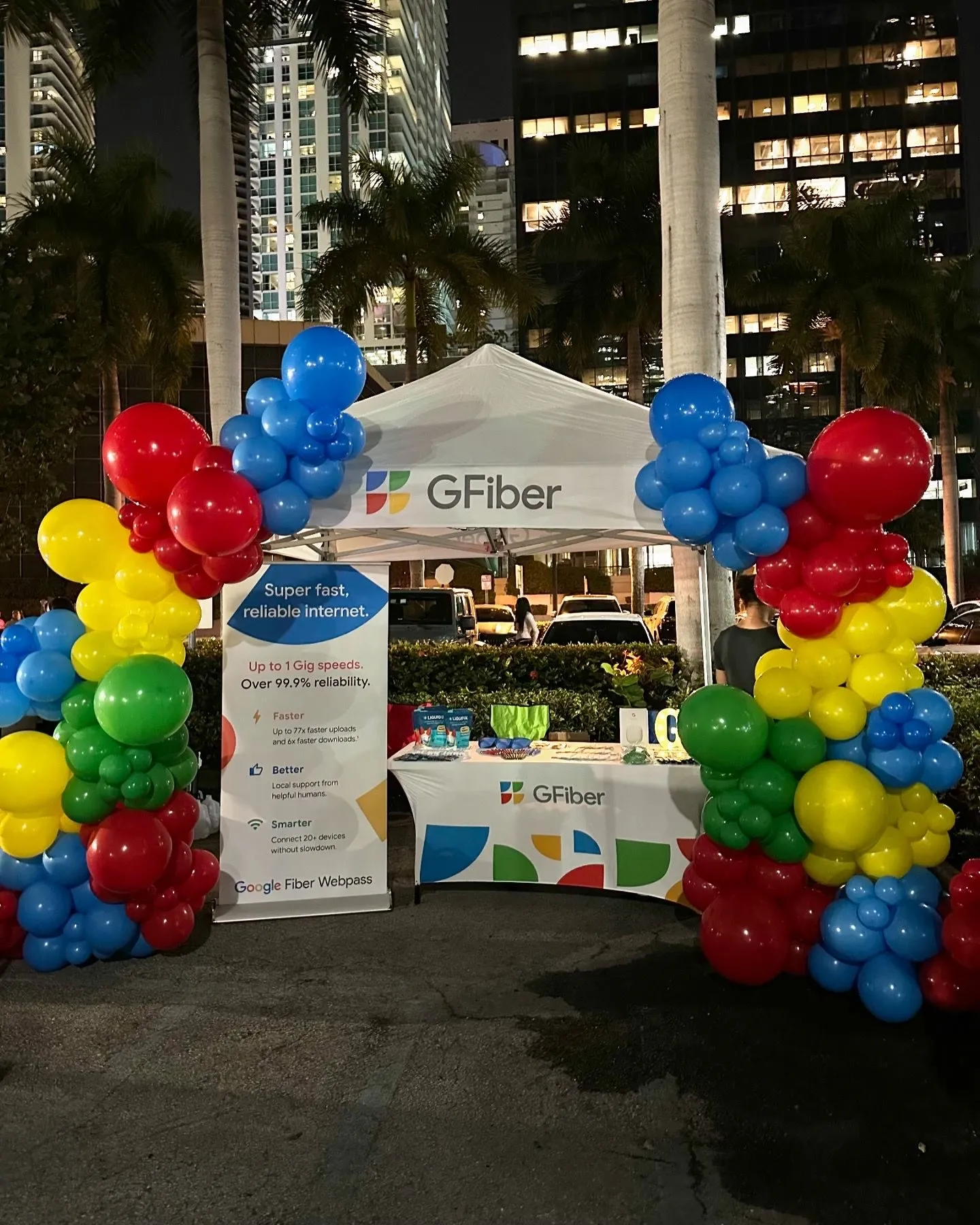 09
WORKPLACE EVENTS
Ways to make a new workplace feel welcoming, recognisable and ready for the first guests.
Read the noteA USEFUL STARTING POINT
Corporate event styling is most effective when it makes an occasion feel considered without competing with the reason people are there. A leadership gathering, awards evening, conference, product presentation or seasonal reception may need a different visual approach, but the planning questions are often similar: what should guests notice first, how should the space support the agenda, and which details will still look right when the room is busy?
This journal is designed as a useful starting point for Irish corporate event buyers. The ideas are intentionally adaptable rather than presented as a catalogue of completed work. Think of them as prompts for a conversation about atmosphere, branding, guest movement and the practical realities of preparing and clearing a venue.
Before choosing colours or decorative features, define the experience the event needs to create. A formal awards evening may call for a composed, polished setting, while a staff celebration might benefit from a warmer and more relaxed sense of occasion. A conference could require styling that gives structure to registration and networking areas without distracting from speakers, screens or sponsor messaging.
Write a short brief in plain language. It might describe the event as “welcoming and confident”, “premium but not formal”, or “recognisable as our brand without feeling like an advertisement”. This helps separate essential design decisions from attractive but unnecessary additions. It also gives a stylist a clear basis for suggesting a restrained palette, focal moment or supporting details.
A strong room normally has a visual hierarchy: a primary moment such as an entrance, stage surround, presentation backdrop or branded welcome point, supported by secondary details through colour, shape, texture or repetition. Without this hierarchy, every area can compete for attention.
Consider the guest journey from arrival onwards. What is the first sightline? Where will people pause for registration, conversation or photographs? Styling can clarify these transitions by giving a welcome area a distinct identity or adding definition around a networking zone. The best focal point is not always the largest installation; allow the venue’s architecture and programme to guide the scale.
Corporate styling works best when brand references feel intentional. A company colour can inform a palette without being repeated everywhere. A logo may have a clear role at a welcome point or backdrop, while the rest of the styling uses complementary tones and textures. The aim is recognition, not visual overload.
Ask for the brand assets early, including approved colours, logo files and any guidance on how the identity should appear. It is also helpful to confirm whether the event is internal, client-facing or public, as the desired level of branding may differ. Where printed or hired elements are involved, branding, hire and production requirements should be treated as scope-specific and confirmed in the proposal rather than assumed.
A useful test is to view the design without the logo. If the atmosphere still feels coherent, the brand has probably been integrated rather than applied as an afterthought.
Colour is affected by wall finishes, flooring, daylight, stage lighting and photography. A palette that looks calm in a mood board may appear much stronger under event lighting, while pale tones can lose definition against a bright or neutral background. Look at the venue photographs, floor plans and lighting notes together before finalising the direction.
For a premium corporate feel, start with a small group of tones: one main colour, one supporting colour and one neutral or metallic accent where appropriate. Texture can add interest without introducing more colours. Soft tonal variation, considered spacing and repetition often feel more elevated than a large number of contrasting shades.
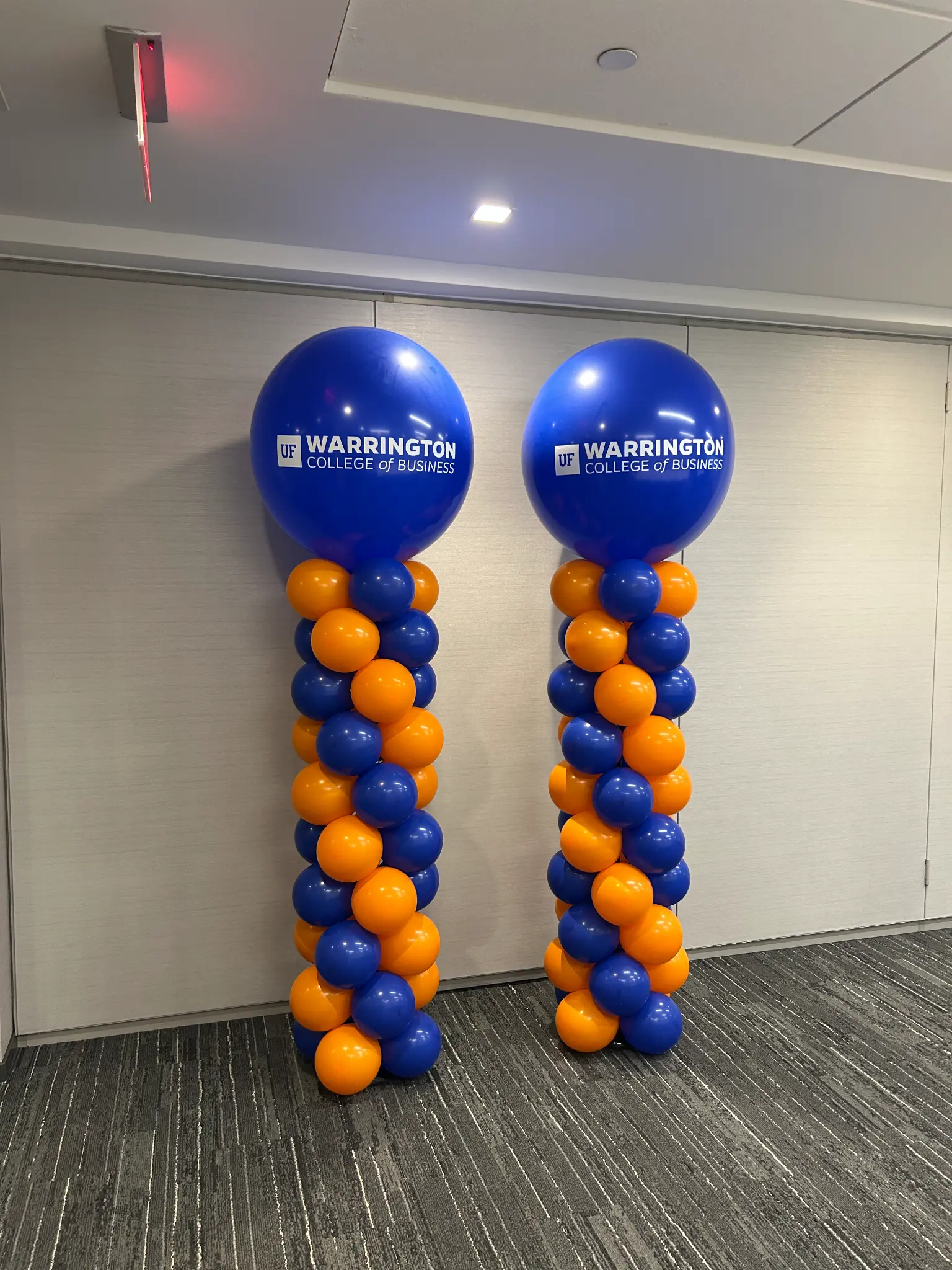
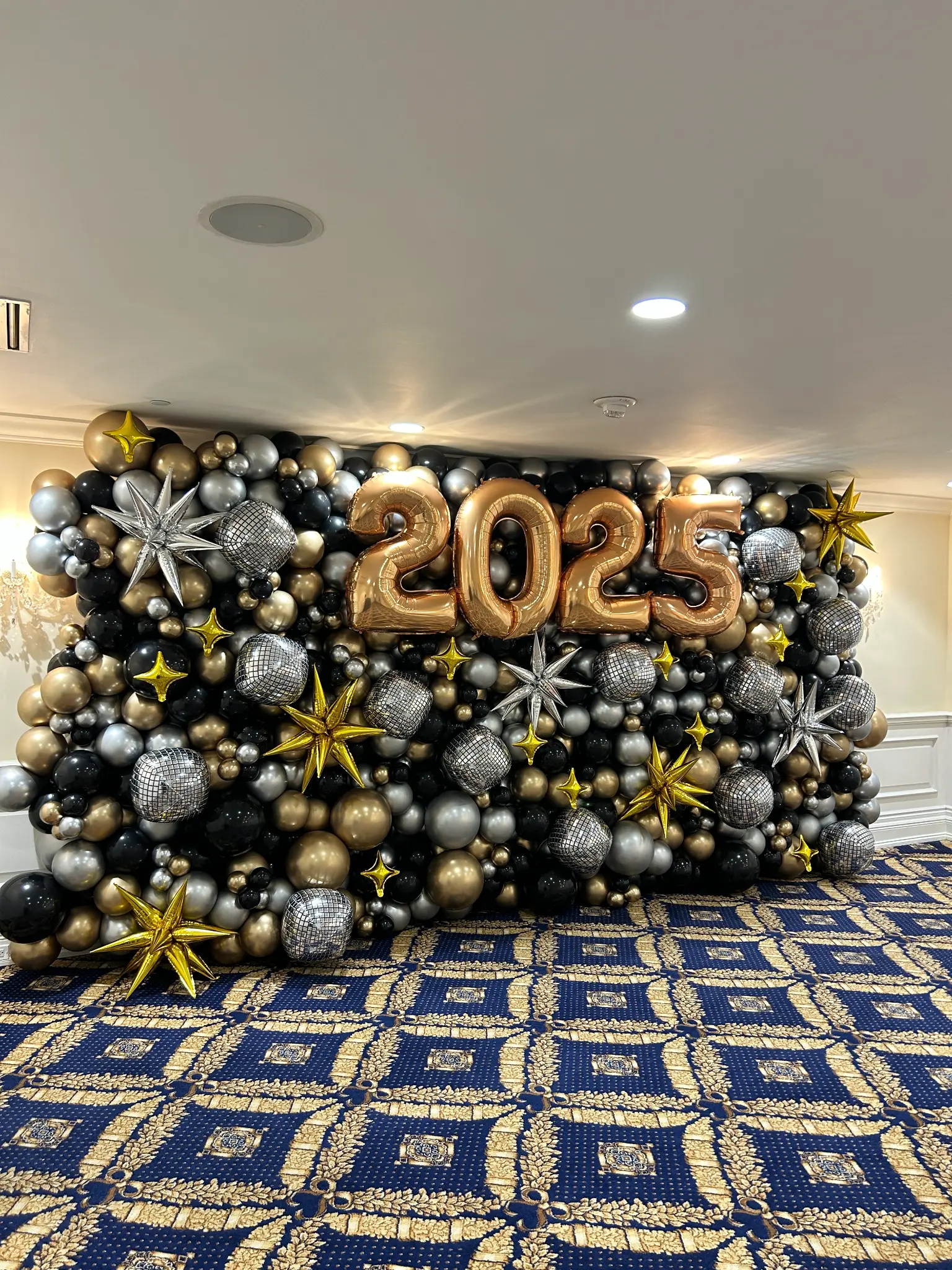
Illustrative imagery can help communicate this direction, but it should be treated as inspiration. It is not a promise that a particular arrangement, material or finished setting will be reproduced exactly. The final proposal should reflect the confirmed brief, venue conditions and agreed scope.
A design can look beautiful in an empty room and become impractical once guests, furniture, catering and production equipment are in place. Map the areas that must remain clear, including entrances, fire routes, service access and routes to seating or stages. Confirm where suppliers can load in, prepare and remove items, as access arrangements vary by venue and event.
Photography deserves attention from the beginning. A welcome point should be positioned where guests can approach comfortably, while a photo moment needs enough space for people to stand back without blocking circulation. Check what will sit behind the subject and whether screens, signage or bright windows will compete with the image.
Travel, venue access and post-event removal are all scope-specific. They should be reviewed with the event details and confirmed in a proposal, rather than treated as fixed logistics or removal fees.
The agenda should influence the design. If guests move between a presentation and a reception, the room may need to transition visually without a complete reset. Avoid placing the strongest feature where it creates a bottleneck, and ensure decorative elements support stage sightlines and technical production. For a multi-part event, consistency can come from repeating one visual cue, such as a colour pairing, shape, finish or style of signage.
Use the following questions before requesting a styling proposal:
Sharing clear answers usually produces a more useful conversation than sending only a theme word or an inspiration image. It also makes it easier to distinguish the essential visual work from optional enhancements.
A first enquiry does not need every final decision. Include the event date or preferred period, approximate guest numbers, event type, venue if known, county, timings, key areas to style and brand requirements. Add photographs, a floor plan or schedule when available. If the venue is still being considered, the design approach can remain flexible until access and layout are confirmed.
Air & Adorn Events considers Dublin, Wicklow and selected Leinster projects, subject to the specifics of the brief, venue and schedule. Corporate styling projects start from €1,000 + VAT. Travel, venue access, branding or hire requirements and post-event removal are scope-specific and proposal-confirmed.
If you are comparing corporate event styling ideas in Ireland, a focused conversation can help turn broad inspiration into a proportionate plan. Share the purpose of the event, the space, the guest journey and the details that matter most. Discuss Your Event to explore a considered direction for your occasion, with practical scope confirmed before anything is agreed.